




Fc Engineering: Applications and Trends in Antibody Drug Development
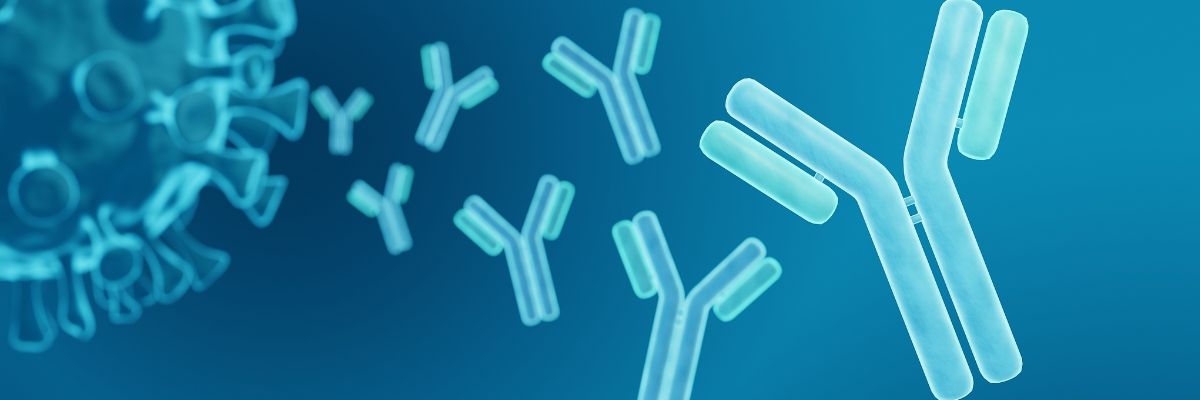
Fc engineering has become an essential pillar in the evolution of antibody therapeutics. As antibody drugs mature beyond simple target binding, the Fc region—once considered merely a structural backbone—has emerged as a powerful design element capable of modulating immune response, pharmacokinetics, tissue distribution, and overall therapeutic behavior. Modern biologics rely not only on the antigen-binding domain but also on the refined functions of the Fc region to achieve enhanced efficacy and safety. As the biopharmaceutical industry moves toward next-generation antibody formats, Fc engineering is reshaping how antibodies are optimized for oncology, autoimmune diseases, infectious diseases, and beyond.
Understanding the Role of the Fc Region
The Fc region is responsible for mediating interactions between antibodies and various immune components, including Fcγ receptors, complement proteins, and neonatal Fc receptors (FcRn). These interactions determine whether an antibody primarily triggers cytotoxic immune responses, enhances phagocytosis, or prolongs its presence in circulation. Because each therapeutic antibody may require a specific balance between effector functions and half-life, manipulating the Fc region has become an indispensable strategy for designing precisely tuned biologics.
In oncology, for example, strong effector functions such as antibody-dependent cellular cytotoxicity (ADCC) or complement-dependent cytotoxicity (CDC) are desirable. In contrast, for inflammatory or autoimmune diseases, the optimal therapeutic effect often requires minimizing immune activation to avoid exacerbating disease progression. Understanding these functional contexts is foundational for selecting an Fc engineering strategy.
Enhancing Effector Functions for Targeted Cytotoxicity
One of the most widely adopted uses of Fc engineering is enhancing the antibody’s ability to recruit immune cells to eliminate pathogenic targets. By altering Fcγ receptor binding affinities through amino acid substitutions or glyco-engineering, developers can significantly increase ADCC and CDC potency.
An important example is the optimization of Fc glycan structures. Removing fucose residues (afucosylation) can dramatically improve an antibody’s interaction with FcγRIIIa receptors, resulting in stronger NK-cell–mediated cytotoxic responses. This approach has led to the development of several clinically approved antibodies demonstrating higher tumor-killing efficiency compared with their non-engineered counterparts.
These engineered enhancements have expanded the potential of monoclonal antibodies in cancer immunotherapy, allowing more precise and powerful targeting of tumor cells without increasing systemic toxicity.
Suppressing Immune Activation for Autoimmune and Chronic Diseases
While strengthening immune activation is valuable in oncology, certain therapeutic areas require the opposite outcome. For autoimmune diseases, chronic inflammation, or enzyme replacement therapy, it’s often necessary to reduce effector functions to prevent unintended tissue damage.
To address this requirement, Fc silencing mutations have been developed to diminish binding to Fcγ receptors and eliminate complement recruitment. By eliminating these interactions, engineered antibodies retain target affinity but minimize immune-mediated side effects. These modifications have directly contributed to the improved tolerability and safety of biologics targeting inflammatory pathways, making them suitable for long-term treatment regimens.
Improving Pharmacokinetics Through FcRn Optimization
Beyond immune effector regulation, Fc engineering is a powerful method for modulating antibody half-life. Through interactions with FcRn receptors, antibodies can be recycled instead of being degraded, allowing them to remain in circulation for weeks. Consequently, introducing engineered mutations that enhance FcRn binding at acidic pH is a proven way to prolong half-life and reduce dosing frequency.
Such modifications have set new standards for patient compliance by enabling monthly or even quarterly dosing intervals for chronic conditions. As more therapeutics aim for self-administration and long-acting formulations, FcRn-enhancing mutations are becoming increasingly prevalent in drug development pipelines.
Fc Engineering in Emerging Antibody Formats
Fc engineering is now integrated into many advanced therapeutic platforms, including bispecific antibodies, antibody–drug conjugates (ADCs), and therapeutic fusion proteins. In bispecific formats, Fc modifications help stabilize the molecule, balance arm pairing, and fine-tune immune activation. For ADCs, an optimized Fc region ensures better pharmacokinetics and more reliable trafficking to target tissues.
With the advancement of AI-assisted protein design and high-throughput screening, Fc engineering is also evolving toward more predictive, data-driven strategies. Machine learning models are increasingly used to identify mutation combinations that enhance stability or modulate immune interactions, accelerating development timelines and increasing success rates.
Future Trends in Fc Engineering
Research continues to push the boundaries of what the Fc region can achieve. Novel directions include Fc variants designed to localize antibodies to specific tissues, Fc switches that respond to physiological cues, and immune-modulating designs that create more selective or context-dependent effector functions. These emerging technologies reflect a broader shift toward highly customizable antibody platforms, where each functional aspect can be tuned to meet the needs of precision medicine.
As regulatory agencies and industry stakeholders gain more experience with engineered Fc designs, the adoption of these innovations is expected to accelerate, shaping the next generation of safer, more effective, and more versatile therapeutic antibodies.
Led by an experienced team of recombinant antibody and protein scientists, GenCefe Biotech provides comprehensive solutions for recombinant antibody and protein production. Supported by our well-established gene synthesis platform and advanced CHO and HEK293 mammalian expression systems, we deliver end-to-end services—from gene synthesis and expression vector construction to antibody and protein purification, as well as large-scale manufacturing.